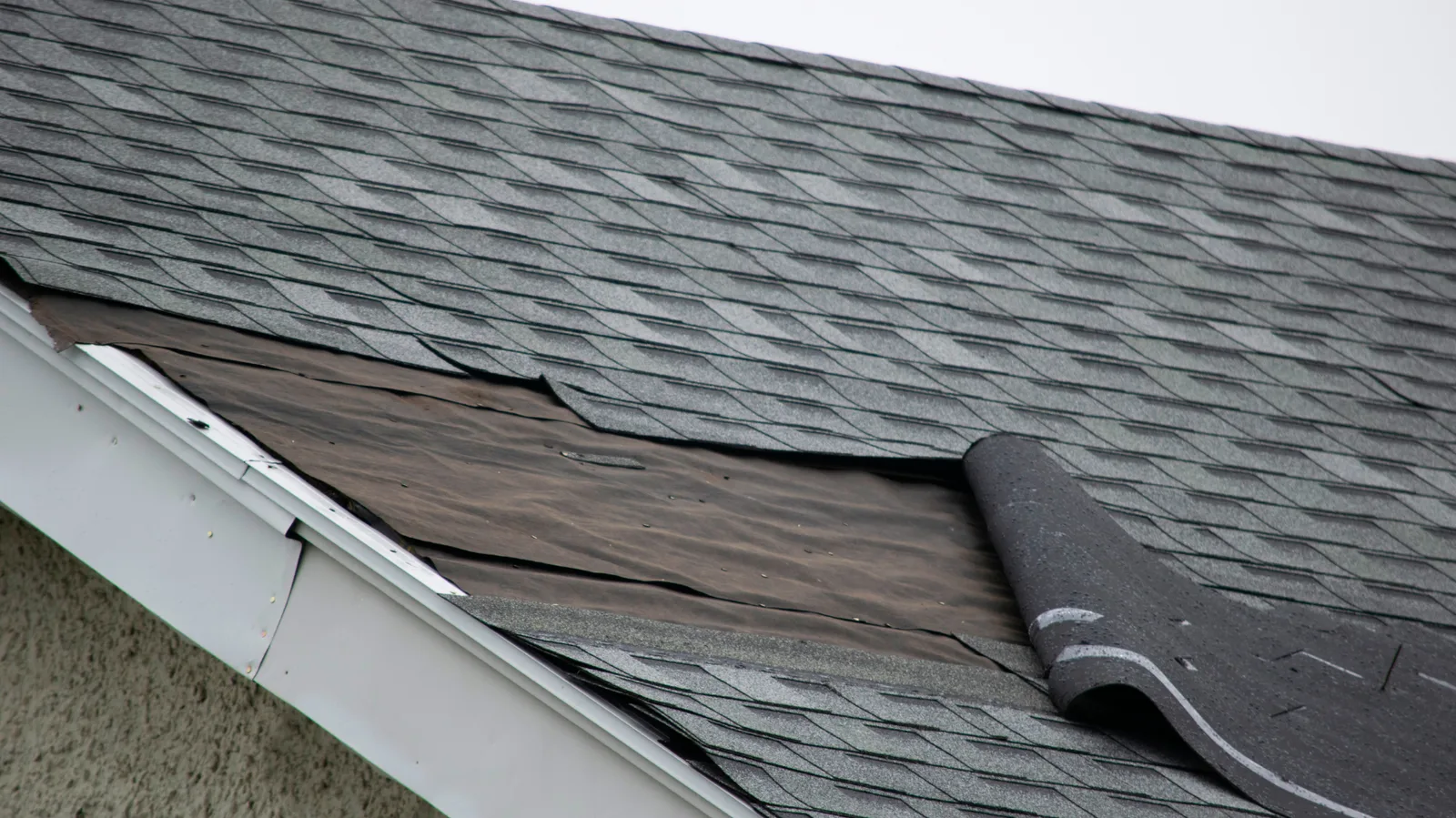
Roof Repair
Damaged shingles, vent boots and flashing need repairs that reconnect to sound covering and decking. We check the opening and the material around it.
Explore roof repair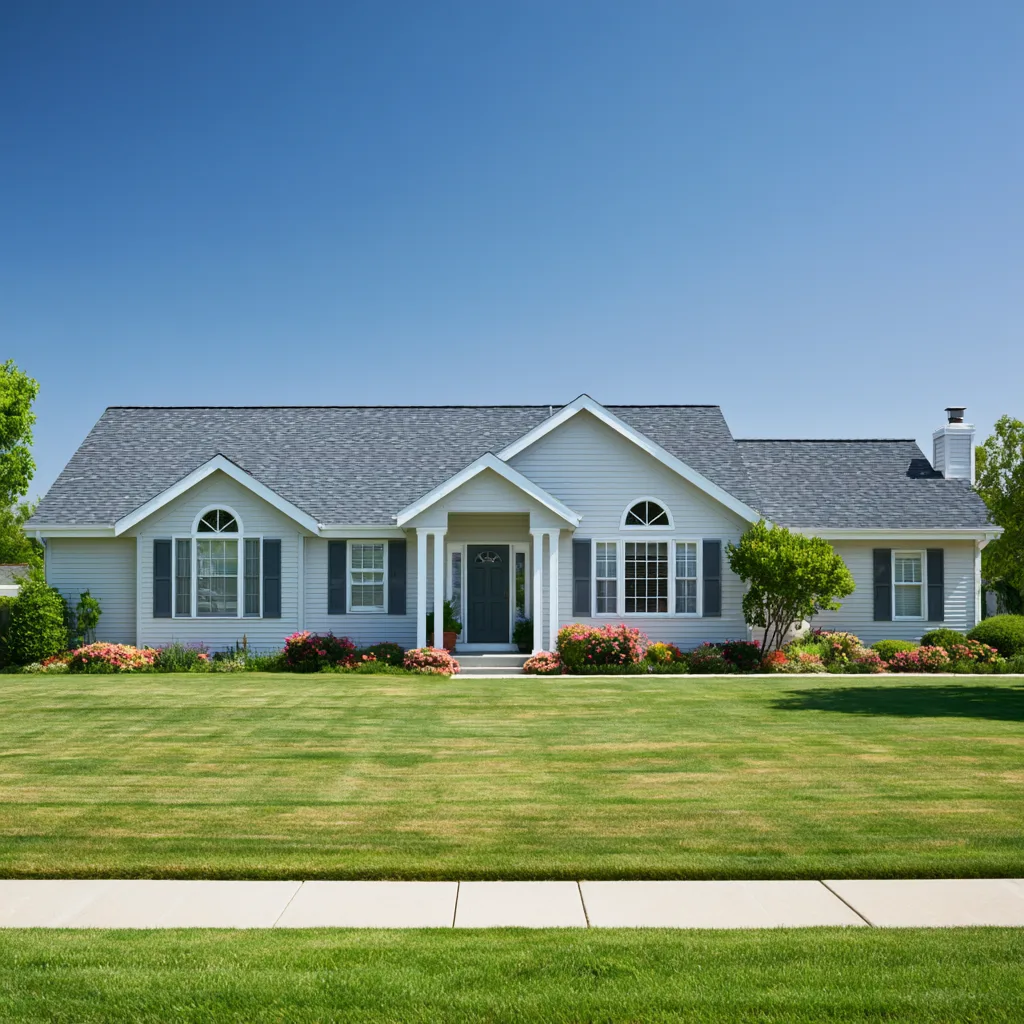
Roof trouble needs a clear answer. We help with leaks, damaged shingles, replacement plans and commercial roofs, starting with a free roof inspection in El Reno.
Free roof inspections. Repair options explained from the roof itself.
A roof problem can interrupt an ordinary day without giving you much to go on. Water beside a light fixture, a shingle on the lawn or another patch that has let go tells you something needs attention. It does not tell you how much of the roof needs work.
That is where we start. A roofer walks the roof, examines the covering and the details that keep water out, and explains what the findings mean. A sound roof gets called sound. A repair that can connect properly to the roof around it stays a repair. When the damage is wider, you can understand why replacement belongs in the conversation.
Tell us where the property is and what you have noticed. The inspection is free, and you do not need to solve the roofing problem before calling.
Call Now (405) 276-5053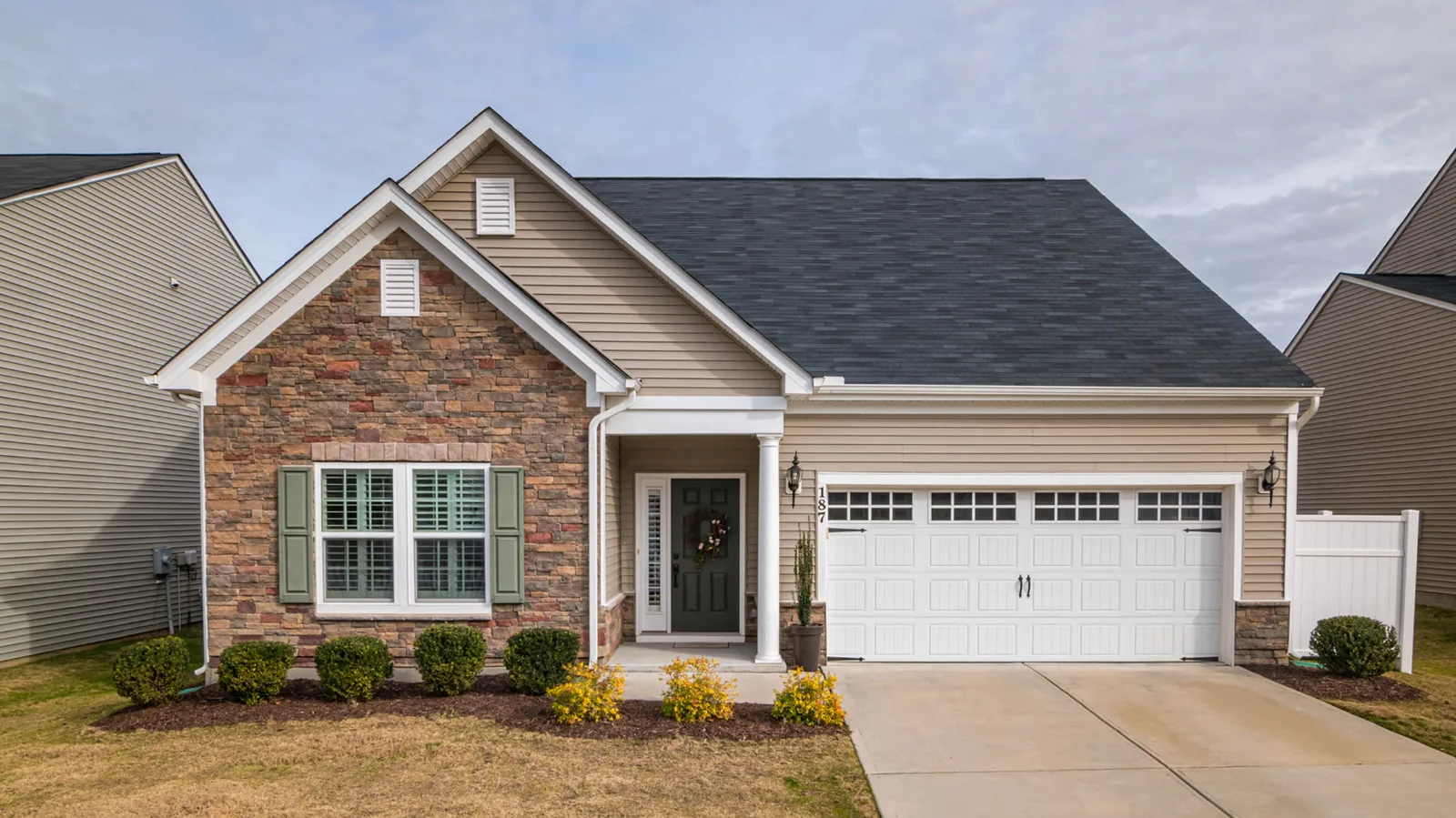
The right service follows the problem, from a failed roof detail to a covering that needs replacing. These paths explain the work before you request a visit.
Damaged shingles, vent boots and flashing need repairs that reconnect to sound covering and decking. We check the opening and the material around it.
Explore roof repairWhen deterioration extends across a slope or a repair cannot connect to sound material, replacement lets the deck and roofing layers be addressed together.
Explore roof replacementA free roof walk helps distinguish needed repairs, a larger roof project and a roof that is doing its job.
Explore roof inspectionsThe water opening can be uphill from the stain. Leak tracing follows the roofing details and likely water path.
Explore roof leak repairHail impacts, wind-lifted shingles and damaged edges need an actual roof assessment before the work is decided.
Explore storm damageFor a 2,000-square-foot architectural-asphalt roof surface, a useful Oklahoma and Oklahoma City regional planning example is $9,000 to $15,000. The roof surface is the covering area, including slopes and overhangs, rather than the home's interior living area.
| Known roof surface | Asphalt replacement planning budget |
|---|---|
| 1,500 sq. ft. | $6,750 to $11,250 |
| 2,000 sq. ft. | $9,000 to $15,000 |
| 2,500 sq. ft. | $11,250 to $18,750 |
| 3,000 sq. ft. | $13,500 to $22,500 |
These examples assume one existing layer to remove, normal access, moderate roof complexity and usable decking. Damaged wood, complicated flashing or difficult access changes the work. Metal and commercial roofs need a separate project scope.
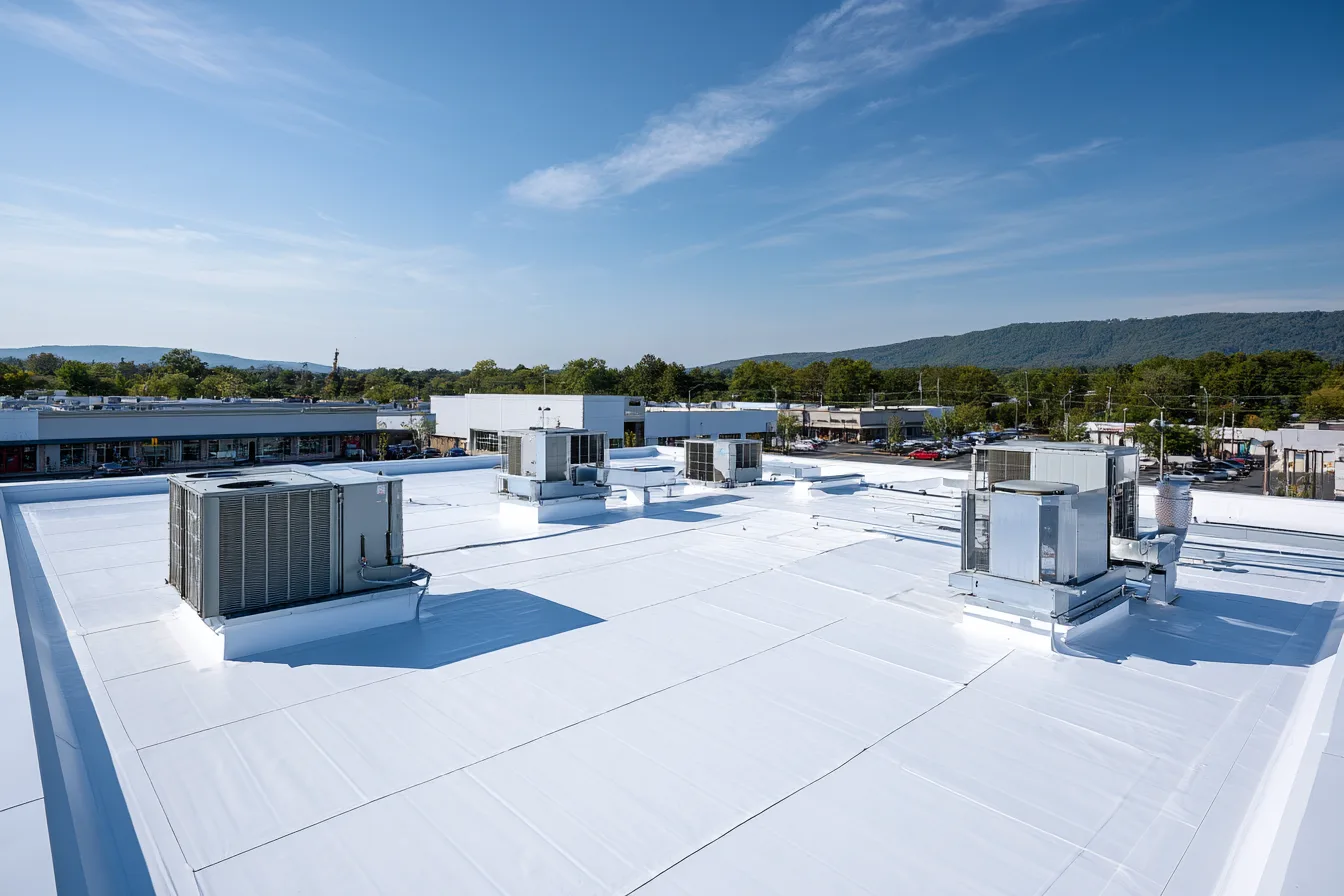
A leak above a sales floor or stored equipment has a different set of consequences from a damaged shingle at a house. On a low-slope roof, we look at the membrane and its seams, the flashing around curbs and rooftop units, and the way water reaches the drains or scuppers.
The layers underneath matter too. A coating can restore a suitable sound roof, but it cannot make wet insulation dry or correct a drainage problem. Repair, restoration and replacement each have a place. The building's condition and use establish which options are useful.
A roof sheds water through connected parts. Replacing a visible surface while leaving a failed connection can leave the same leak behind.
Shingles or metal panels form the exposed water-shedding surface. Their condition, slope and attachment affect the available repair.
Material choice also changes appearance, detailing and project budget.
Layered construction gives these shingles a dimensional profile. The chosen product still needs compatible underlayment, flashing and attachment to a sound deck.
Appearance and installed-system requirements belong in the same choice.
Impact resistance is a tested feature that an architectural shingle can also have. The exact test and product matter; the rating does not make the installed roof hail-proof.
Architectural construction and impact performance describe different features, rather than opposing options.
Standing-seam panels use concealed attachment. Exposed-fastener systems have visible screws and seals to maintain. Pitch, supporting deck, movement and opening details must suit the selected panel.
The fastening and panel system change installation details and future care.
Metal details carry water past walls, chimneys, valleys and eaves. Their laps need to work with the covering.
A failed wall connection needs a flashing repair, even when the shingles nearby look fine.
Underlayment lies below the covering, over the roof deck. Water that gets beneath the surface can reach these layers.
Deteriorated wood or damaged adjoining layers widens the work beyond a visible opening.
A useful inspection connects what you have noticed to the roof's actual condition. You can take part without climbing or measuring.
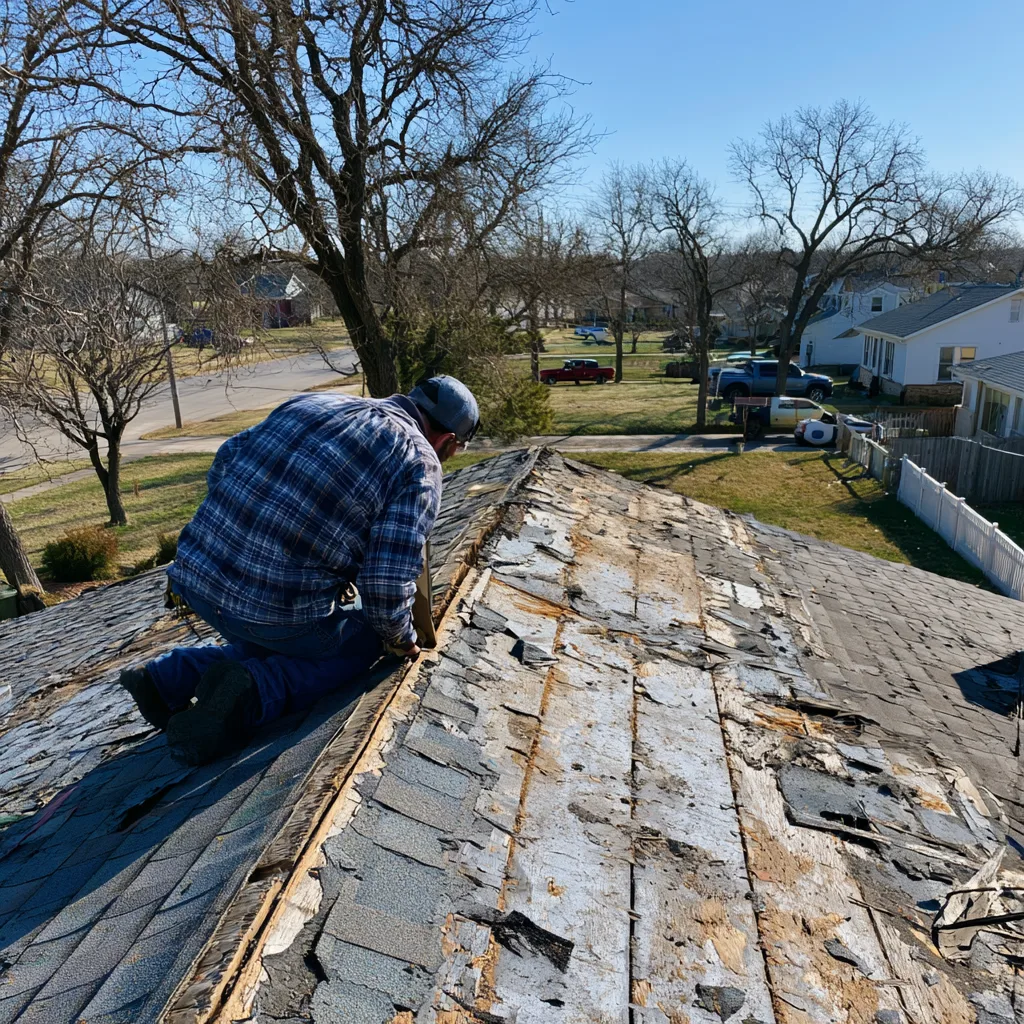
Share the property location and the concern. Mention active water coming inside, recent storm damage or a replacement you are considering.
A roofer checks the covering and roofing details. Access is handled for the roof and conditions at the time.
The findings help explain a viable repair, a larger project or roofing that does not need work now. Material and scope choices follow that discussion.
After wind, lifted or creased shingles can leave their attachment and the layers below exposed. Hail can affect the shingle surface or reinforcement even when no water has appeared indoors. The free roof inspection looks at the actual covering, roof edges and flashing together, with roof access chosen for the conditions.
Temporary protection and permanent roof work are separate decisions. A temporary cover can help limit exposure where safe access allows it. The repair that follows needs to remove damaged material as necessary and reconnect to sound roofing, flashing and support. Wider damage or brittle surroundings can change the amount of work.
If water is coming inside, call and say so. Stay clear of a sagging ceiling or wet electrical fixtures, and keep off a wet or damaged roof. A nearby storm report supplies context, not a damage finding or an insurance decision for the property.
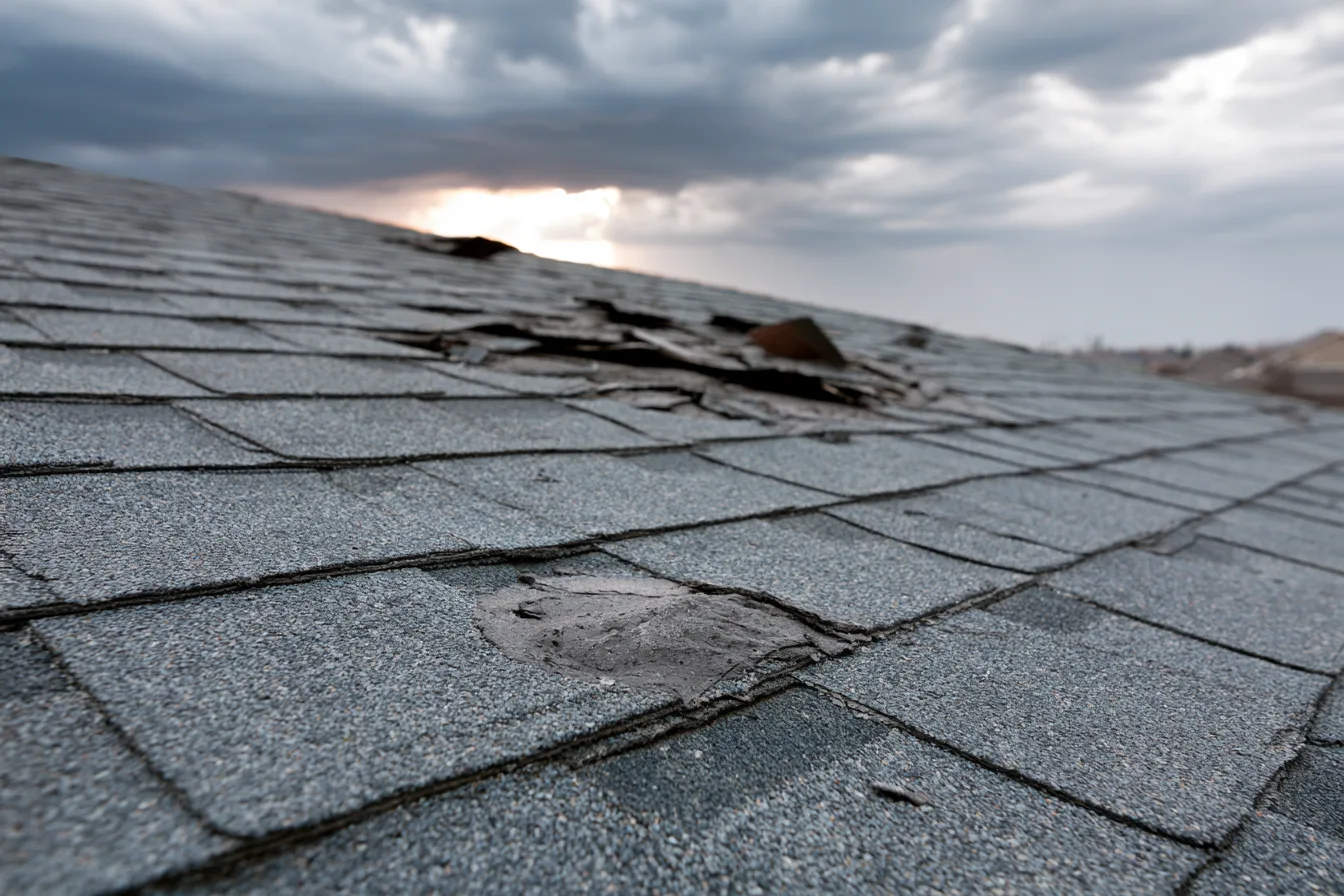
We help El Reno homeowners and commercial property owners with roof concerns. Share the property location when you call or request an inspection.
Find coverage information and useful local roofing pages for different property settings.
A leak, damaged detail or replacement question is enough reason to get in touch. Tell us what the roof is doing and request a free inspection.